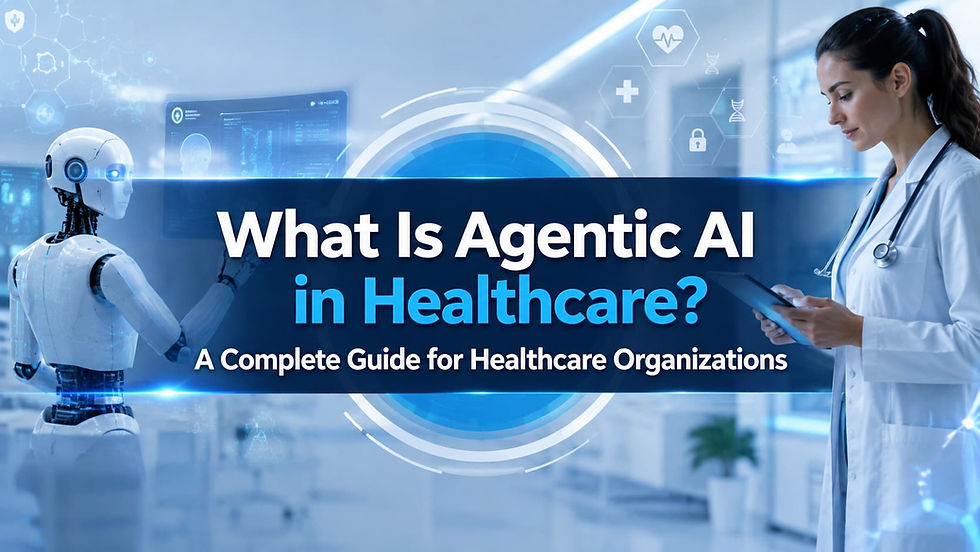
Transforming Patient Care with AI Solutions
In recent years, the healthcare industry has witnessed a significant transformation, largely driven by advancements in technology. Among these, artificial intelligence (AI) stands out as a powerful tool that is reshaping patient care. From enhancing diagnostic accuracy to streamlining administrative processes, AI solutions are making healthcare more efficient and effective. This blog post explores how AI is transforming patient care, the challenges it faces, and the future it holds.

Understanding AI in Healthcare
AI refers to the simulation of human intelligence in machines programmed to think and learn. In healthcare, AI encompasses various technologies, including machine learning, natural language processing, and robotics. These technologies are being utilized to improve patient outcomes, reduce costs, and enhance the overall healthcare experience.
Key Applications of AI in Patient Care
Diagnostic Assistance
AI algorithms can analyze medical images, such as X-rays and MRIs, with remarkable accuracy. For instance, Google's DeepMind has developed AI that can detect eye diseases as effectively as human specialists. This capability not only speeds up the diagnostic process but also reduces the chances of human error.
Predictive Analytics
By analyzing vast amounts of patient data, AI can identify patterns that may indicate potential health issues. For example, predictive models can forecast which patients are at risk of developing chronic conditions, allowing healthcare providers to intervene early and tailor preventive measures.
Personalized Treatment Plans
AI can help create personalized treatment plans based on a patient's unique genetic makeup, lifestyle, and medical history. This approach ensures that patients receive the most effective treatments, improving their chances of recovery.
Virtual Health Assistants
AI-powered chatbots and virtual assistants can provide patients with immediate answers to their health-related questions. These tools can help triage symptoms, schedule appointments, and even remind patients to take their medications, enhancing patient engagement and adherence to treatment.
Operational Efficiency
AI can streamline administrative tasks, such as scheduling, billing, and patient record management. By automating these processes, healthcare providers can focus more on patient care rather than paperwork, ultimately improving the patient experience.
Challenges in Implementing AI Solutions
Despite the promising potential of AI in healthcare, several challenges must be addressed to ensure its successful implementation.
Data Privacy and Security
With the increasing reliance on data, ensuring patient privacy and security is paramount. Healthcare organizations must comply with regulations such as HIPAA in the United States, which mandates strict guidelines for handling patient information. Implementing robust security measures is essential to protect sensitive data from breaches.
Integration with Existing Systems
Integrating AI solutions with existing healthcare systems can be complex. Many healthcare organizations still rely on legacy systems that may not be compatible with modern AI technologies. Ensuring seamless integration is crucial for maximizing the benefits of AI in patient care.
Ethical Considerations
The use of AI in healthcare raises ethical questions, particularly regarding decision-making. For instance, if an AI system makes a recommendation that leads to a negative outcome, who is held accountable? Establishing clear ethical guidelines is essential to navigate these challenges.
Training and Education
Healthcare professionals must be adequately trained to work alongside AI technologies. This includes understanding how to interpret AI-generated insights and knowing when to rely on human judgment. Ongoing education and training programs are vital to ensure that healthcare providers can effectively utilize AI tools.
The Future of AI in Patient Care
As technology continues to evolve, the future of AI in patient care looks promising. Here are some trends to watch for:
Enhanced Collaboration Between Humans and AI
Rather than replacing healthcare professionals, AI is expected to augment their capabilities. The future will likely see a collaborative approach where AI assists doctors in making informed decisions, ultimately leading to better patient outcomes.
Expansion of Telemedicine
The COVID-19 pandemic accelerated the adoption of telemedicine, and AI is set to play a significant role in its future. AI can enhance virtual consultations by providing real-time data analysis and recommendations, making remote care more effective.
Continuous Learning and Improvement
AI systems will continue to learn and improve over time. As more data becomes available, these systems will refine their algorithms, leading to even more accurate diagnoses and treatment recommendations.
Focus on Preventive Care
AI's predictive capabilities will shift the focus from reactive to preventive care. By identifying potential health risks early, healthcare providers can implement preventive measures, ultimately improving patient health and reducing healthcare costs.
Conclusion
AI is undeniably transforming patient care, offering innovative solutions that enhance diagnostics, personalize treatment, and improve operational efficiency. While challenges remain, the potential benefits of AI in healthcare are immense. As we move forward, embracing AI technologies will be crucial for healthcare providers aiming to deliver high-quality, patient-centered care.
The journey toward integrating AI in healthcare is just beginning. Stakeholders must work together to address challenges, ensure ethical practices, and harness the full potential of AI to improve patient outcomes. The future of healthcare is bright, and AI will be at the forefront of this transformation.